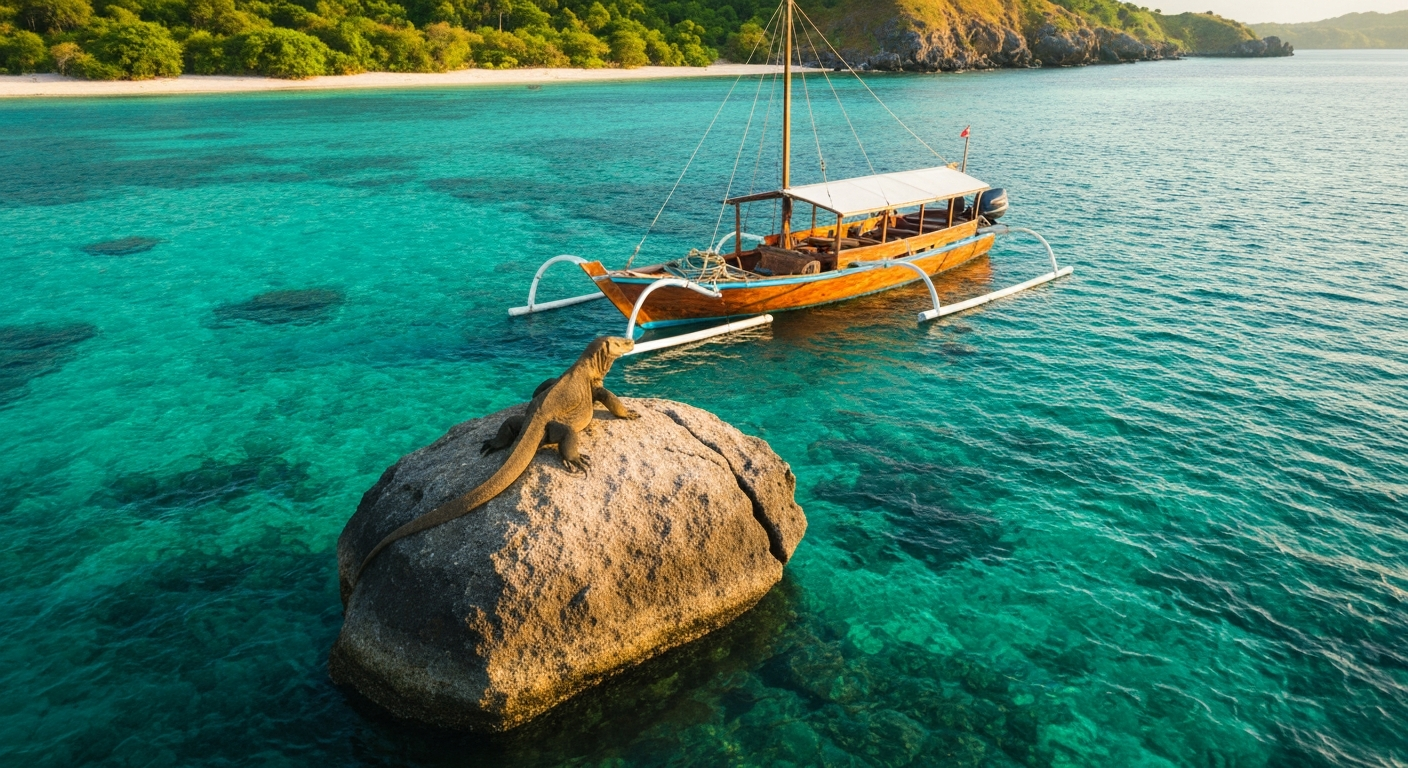
Planning a Komodo Island sailing tour in 2026 requires understanding the marine park permit system and associated costs. Komodo National Park, a UNESCO World Heritage Site since 1991, implements these fees to support conservation efforts and maintain its unique biodiversity. Visitors should anticipate permit and activity fees ranging from IDR 300,000 to IDR 850,000 per person per day, depending on the specific activities undertaken. These regulations ensure the protection of species like the Komodo dragon and the vibrant coral reefs. The Indonesian government, through agencies like the Ministry of Environment and Forestry, manages these tariffs and park operations for sustainable tourism. This financial framework is crucial for the park’s ecological integrity and local community benefits.
Understanding Komodo National Park Fees in 2026
Komodo National Park operates under a tiered fee structure, designed to manage visitor impact and fund critical conservation initiatives. The park, established in 1980, spans 1,733 square kilometers across land and sea, encompassing islands like Komodo, Rinca, and Padar. Permit costs for foreign tourists in 2026 reflect the various entry requirements and activity charges. These fees contribute directly to ranger salaries, maintenance of visitor facilities, waste management programs, and anti-poaching patrols within the protected area. Transparency in fee application helps visitors budget accurately for their Komodo liveaboard tour from Labuan Bajo.
The Indonesian government periodically reviews these fees to align with conservation needs and inflation. For 2026, standard daily entrance fees are set alongside charges for specific activities. This approach ensures that the financial burden is distributed based on the level of engagement with the park’s resources. Funds collected are instrumental in preserving the habitat of approximately 3,000 Komodo dragons and over 1,000 species of fish and coral. Park regulations, including fee structures, are accessible via official government channels, such as the Indonesia Travel website.
Breakdown of 2026 Permit Costs for Sailing Tours
The total cost for Komodo National Park permits during a sailing tour in 2026 comprises several distinct charges. These typically include the national park entrance fee, trekking fees for encounters with Komodo dragons, snorkeling fees, and potentially fees for specific island visits like Padar or Pink Beach. For foreign tourists, the daily permit costs can range from IDR 300,000 to IDR 850,000 per person. This variation depends on the number of activities planned and the duration of stay within the park boundaries. A typical Komodo Island sailing tour 3 days 2 nights would incur these daily charges for two or three separate days.
Operators usually itemize these fees or clarify if they are included in the tour package price. Park fees are subject to change by government decree, though 2026 projections indicate stability within these ranges. For instance, a visit to Rinca Island specifically for dragon viewing might have a different component than simply cruising through the marine areas. Understanding this breakdown helps travelers compare Komodo sailing tour 2026 price options accurately. Some longer multi-day trips originating from Lombok may integrate these fees into their overall package, as noted in certain tour benchmarks.
Variations in Permit Fees by Activity and Duration
Permit fees within Komodo National Park are not static; they fluctuate based on the specific activities undertaken and the length of a visitor’s stay. A single-day speedboat tour typically incurs a cumulative daily fee covering entry and perhaps one or two main activities, such as trekking on Komodo Island and snorkeling at Pink Beach. Multi-day liveaboard tours, such as a 4D3N itinerary, require visitors to pay daily permit fees for each day spent within the park’s protected zones. This means a 3-day visit to the park will involve three separate daily fee calculations.
Specific charges apply for different types of engagement. Trekking on Komodo or Rinca Island to see the dragons carries a distinct ranger fee and conservation levy. Snorkeling and diving activities also have designated charges per person, per site. For example, a dedicated dive liveaboard focusing on sites like Castle Rock or Manta Alley will have a different fee structure than a purely leisure-focused sailing trip. These activity-specific fees are designed to manage visitor pressure at popular spots and provide resources for site maintenance and marine protection.
How Tour Operators Handle Permit Payments
Komodo Island sailing tour operators adopt various methods for collecting and processing national park permit fees. Many reputable companies, especially those offering luxury Komodo Island yacht charters, include the estimated permit fees directly within their package price. This approach offers convenience and budget predictability for travelers, particularly for high-net-worth clients or families. The tour operator assumes responsibility for handling all transactions with park authorities upon arrival in Labuan Bajo or directly at park entry points. This simplifies the administrative process for international visitors.
Other operators, particularly for budget-friendly shared Phinisi tours or day trips, list permit fees as a separate mandatory exclusion. In these cases, travelers are typically required to pay the fees in Indonesian Rupiah (IDR) cash either to the tour guide before entering the park or directly at the park office. It is crucial for all travelers to confirm with their chosen operator whether the 2026 permit fees are included or excluded from the advertised tour price. Clear communication on this point prevents unexpected costs and ensures a smooth entry into Komodo National Park.
Historical Context and Conservation Efforts
The establishment of Komodo National Park in 1980 marked a significant step in protecting the Komodo dragon (Varanus komodoensis) and its unique ecosystem. Initially focused on the dragon, the park’s mandate expanded to include its marine environment, recognized for its exceptional biodiversity. In 1991, UNESCO designated Komodo National Park as a World Heritage Site, acknowledging its outstanding universal value. This designation reinforced the need for robust conservation funding, partially met through visitor permit fees. The park encompasses an area crucial for both terrestrial and marine species, including over 260 species of coral and a rich array of pelagic fish.
The fees collected from visitors directly support park management and conservation programs. These initiatives include habitat restoration, anti-poaching operations, and community development projects that involve local residents in sustainable tourism. For example, park rangers, many from local communities, receive salaries funded by these revenues. The ongoing challenge involves balancing tourism growth with the imperative of ecological preservation. The UNESCO World Heritage Centre details the park’s significance and the continuous efforts required to maintain its status. This financial model helps ensure the long-term viability of the park’s natural resources for future generations.
Planning Your 2026 Komodo Sailing Trip Budget
Effective budgeting for a family friendly Komodo sailing tour or any private charter in 2026 involves more than just the tour price. Prospective travelers must account for the mandatory national park permit and activity fees. As detailed, these can range from IDR 300,000 to IDR 850,000 per person per day. For a 3-day, 2-night shared liveaboard trip, a mid-range budget of USD 360-550 per person might be advertised, but the additional park fees could add another USD 60-170+ equivalent, depending on activities. Always clarify the exact inclusions and exclusions with your chosen operator.
Beyond permits, other potential costs include domestic flights to Labuan Bajo (Komodo Airport), accommodation in Labuan Bajo before or after the tour, personal expenses like souvenirs, and any specific gear rentals (e.g., dive equipment if not included). Travelers from Western Europe, Australia, and the USA often plan for a 2-3 week Indonesia trip, integrating Komodo with Bali. Understanding all cost components upfront ensures a smooth and enjoyable experience, free from financial surprises. Ensure you have sufficient Indonesian Rupiah cash for smaller purchases and unforeseen expenses within the park or on local islands.
What Your Komodo National Park Fees Cover
The various fees collected for entry and activities within Komodo National Park contribute to a range of essential services and conservation efforts. Understanding these contributions clarifies the value behind the permit costs for your Komodo National Park liveaboard diving trip or sailing adventure. The charges typically cover:
- National Park Entrance Fee: A base fee for all visitors entering the protected area.
- Ranger & Guide Fees: Remuneration for trained park rangers who accompany visitors on treks to see Komodo dragons and other wildlife.
- Trekking & Activity Fees: Specific charges for engaging in activities like hiking on Komodo, Rinca, or Padar Island.
- Snorkeling & Diving Fees: Levies for underwater activities at designated marine sites, supporting coral reef protection.
- Conservation Levy: A direct contribution towards habitat preservation, anti-poaching efforts, and biodiversity monitoring.
- Waste Management & Infrastructure: Funding for clean-up operations, waste disposal, and maintenance of visitor facilities like jetties and trails.
- Local Community Support: Portions of the fees are allocated to development projects and sustainable livelihoods for communities residing near the park.
- Photography & Drone Permits: Separate, often minor, fees may apply for professional photography equipment or drone operation in certain areas.
- Government Taxes: Standard local and national taxes applied to tourism services.
Secure Your Komodo Sailing Tour Permits for 2026
Navigating the permit system for Komodo National Park is a fundamental part of planning your 2026 sailing tour. The established fee structure ensures the continued protection of this globally significant ecosystem and its iconic wildlife, including the Komodo dragon. By understanding the various components of these costs, travelers can budget effectively and contribute directly to conservation. Komodo Island Sailing Tour provides transparent information and assistance with permit arrangements for all our clients, whether you’re interested in a shared liveaboard or a private yacht charter. We ensure compliance with all national park regulations for a responsible and memorable experience.
For detailed information on tour packages that include or exclude 2026 marine park permits, or to discuss your specific itinerary, please contact us directly. Our team is available to clarify any questions regarding fees and ensure your Komodo adventure proceeds smoothly and responsibly.